
Kyshik · Digital passportKY-0042
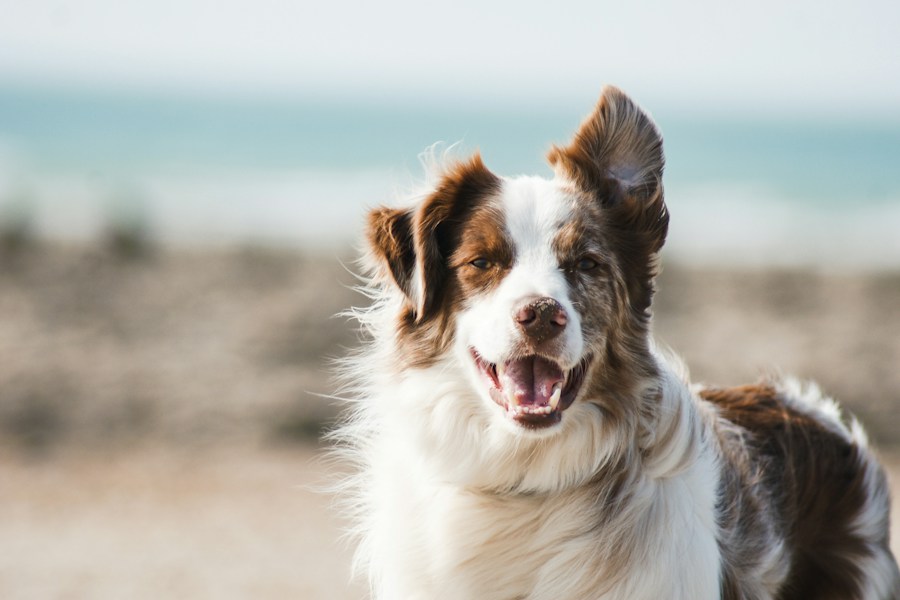
Simba
Rabies vaccination · 4 Nov 2026Next vaccination due Nov 2027
Last identified24 Nov 2026
Encounters3
Identity verified by a field worker
Kyshik recognises individual dogs from their photos, so vaccination teams know which dogs they have already met. The model suggests. A person decides.
Based in Seattle, Washington, USA
Possible matches
[ 01 ] How it works
Kyshik turns ordinary photographs into a reliable digital identification system. No microchips, collars or special equipment required.
01 / Take a photo
A field worker photographs the dog with an ordinary smartphone.
02 / Find a match
The AI compares the photo with dogs already in the campaign and suggests possible matches.
03 / Confirm and record
A person confirms the identity, and the visit is saved to the dog’s history.
AI suggests.
People confirm.
Animals come first.
Animal-centric in every choice. Every decision, in the field and in the software, starts from what is right for the animal. A dog’s record is never erased. The result: less duplicate work, better vaccination tracking, and a clearer picture of every dog reached.
[ 02 ] The digital passport
Every dog gets a unique digital passport that brings together its vaccination history, previous encounters and identification records. Whether a dog is seen tomorrow or months later, field teams can recognize it, see what has already been done, and make better-informed decisions.
[ 03 ] Science & measurement
Rabies prevention is a measurable science. But how do we know which dogs have been reached, which remain unvaccinated, and where efforts should be focused?
Kyshik helps answer these questions through individual identification and traceable vaccination records.
Distinguish individual animals from repeated encounters, reducing duplicate counts.
Track documented vaccination status and identify dogs requiring attention.
Understand where teams have worked, compare results across areas, and identify gaps in campaign activity.
From field observations to scientific evidence
Combined with properly designed population surveys, reliable individual identification can support more accurate vaccination coverage estimates and evidence-based campaign planning.
Because effective disease prevention starts with knowing what has actually been achieved.
[ 04 ] Field notes
Principles and future plans. They do not claim every idea is already built.
All notes →[ 05 ] Story
How a local response to a national crisis became an international effort to make every animal visible, identifiable and accounted for.
Kazakhstan invested about $30 million in its Capture–Sterilize–Vaccinate–Return program. Despite the money, authorities questioned whether it was working, and began to consider euthanasia instead.
Kazakhstan’s parliament advanced legislation allowing stray dogs to be euthanized after a holding period. The proposal sparked widespread public concern.
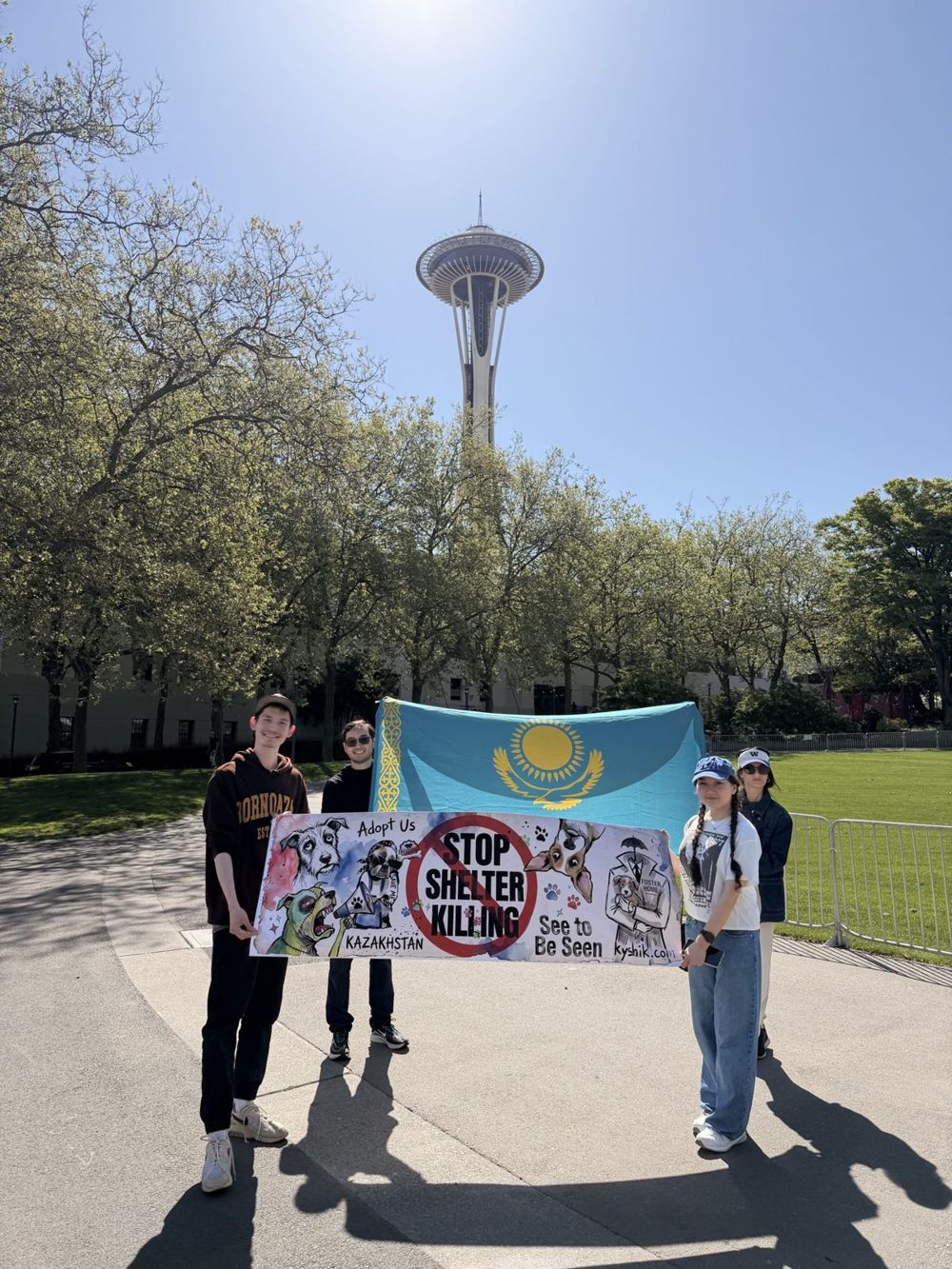
Our team organized a demonstration in Seattle, Washington, opposing the legislation. It went viral on social media and was covered by Kazakhstani news outlets.
But raising awareness wasn’t enough. We wanted to contribute a practical solution.
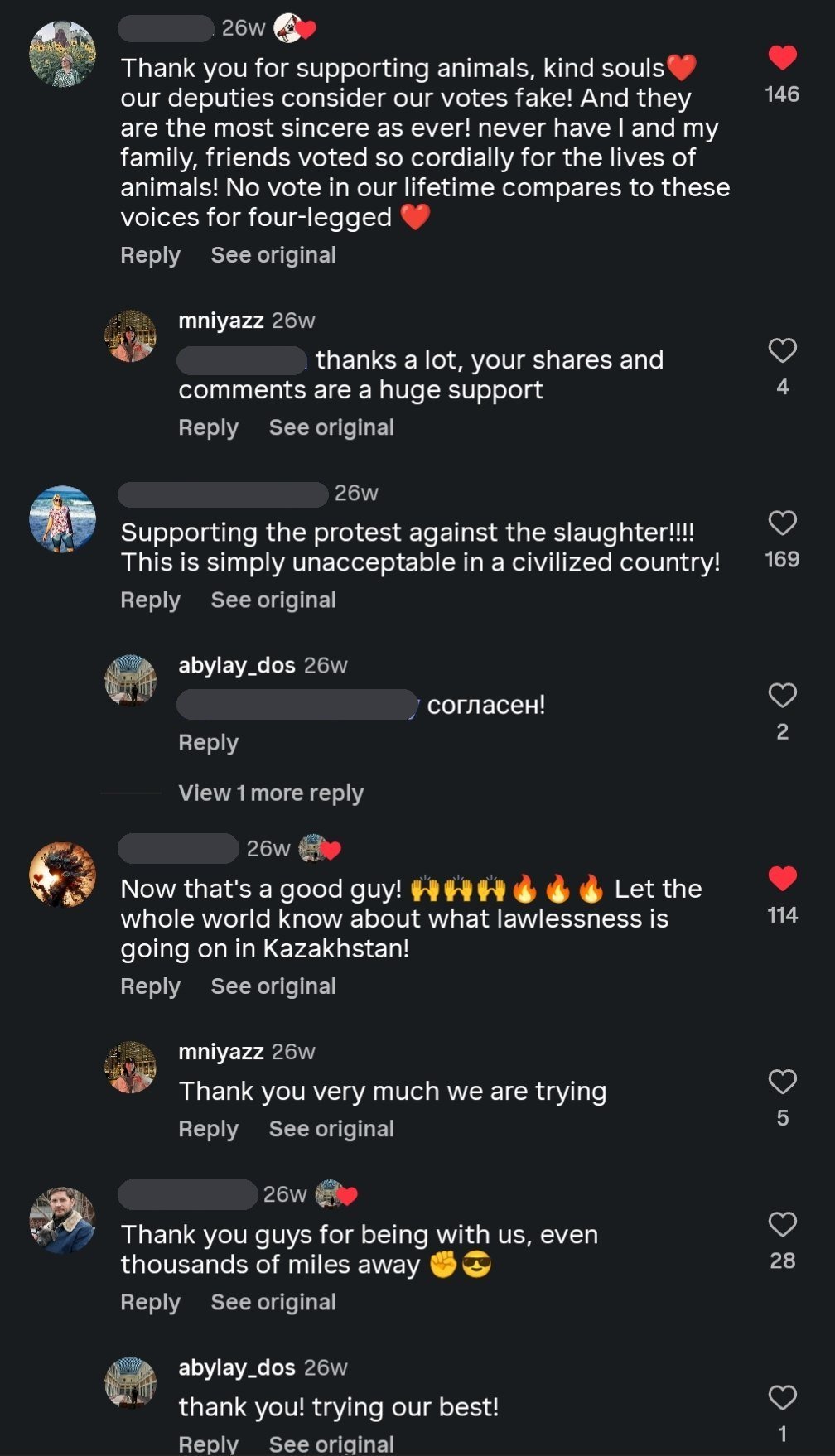
Despite public opposition, the law was signed on 19 May and took effect on 20 July. Soon, reports of stray dogs disappearing from the streets raised new questions about transparency and accountability in how animal populations are managed.
We immersed ourselves in scientific literature, international rabies-prevention strategies and vaccination programs, and consulted researchers, veterinary professionals and international experts about the field’s hardest problems.
Combining their insight with our engineering, we built Kyshik: a system that identifies individual dogs from photographs and keeps reliable, traceable records for vaccination and population management.
With our core technology developed, we are engaging international animal-health organizations and preparing field pilots to validate Kyshik in real-world conditions.
Our ambition: animal identification that anyone can access, vaccination campaigns that work better, and population management that is transparent and evidence-driven.
What began as a local response to a national crisis has become an international technology initiative. We are still at the beginning of this journey, but our vision reaches far beyond where it started.
This is the story of Kyshik.
And we’re only getting started.
[ 06 ] Crew
Building tools for humane animal records, from Seattle, Washington. Күшік means “puppy” in Kazakh.
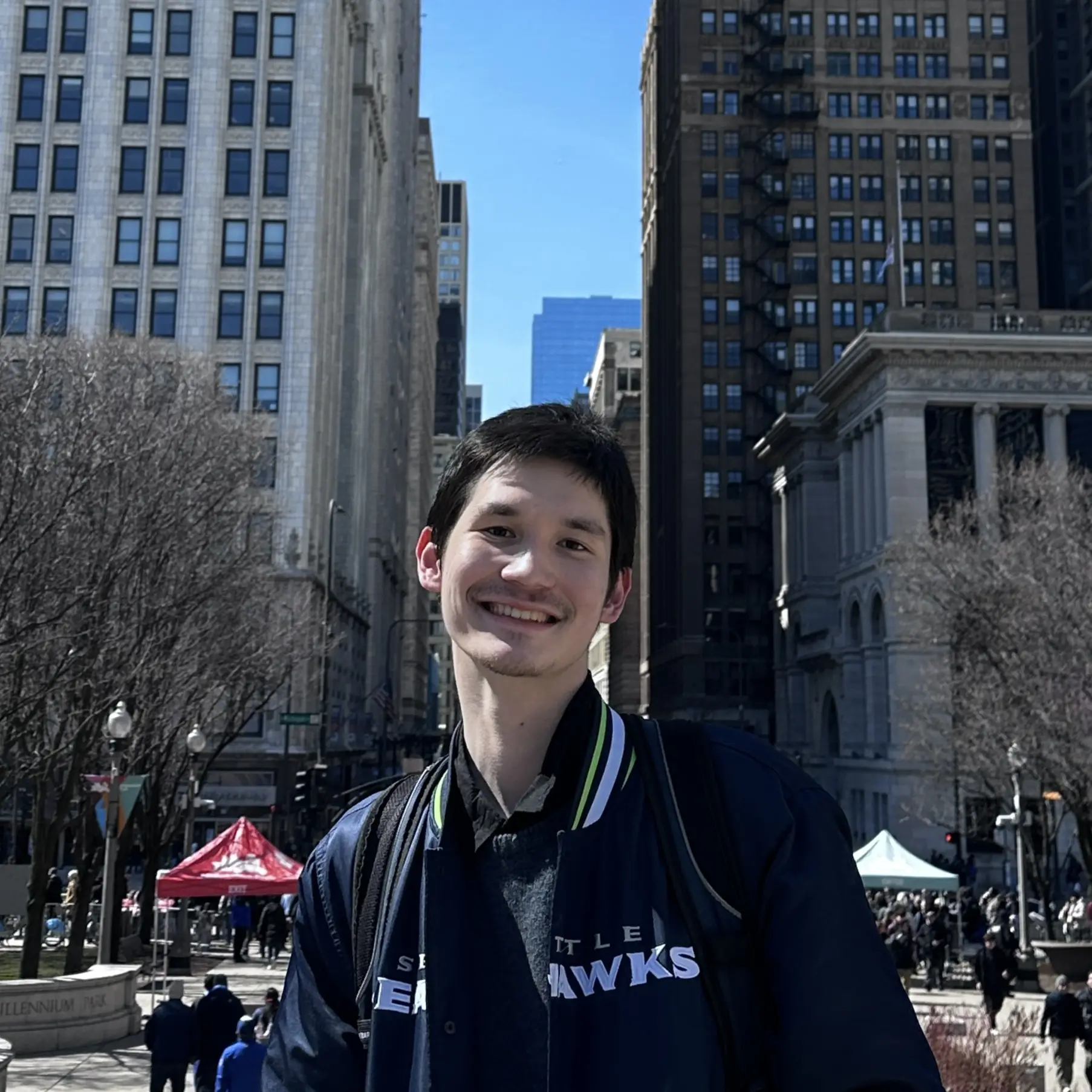
“У бездомных животных тоже есть имя.”

“Let’s build tools that help animals.”



[ 07 ] Field beta
We need people to test photo quality, saved scans and offline use in their area. You never need to approach or handle an animal.
Create an account in the field app, then submit your organization and campaign details. Pilot access is enabled after review.
No sample records are added to your workspace.
Create an accountCoordinators can also open the dashboard. Use the same account in both apps.
Contact
Running a vaccination or sterilisation campaign? We’d like to hear what your teams need.
Email the team ↗abylay@kyshik.com · niyaz@kyshik.com · sabina.kossubayeva@kyshik.com